
Maintaining a comfortable home goes beyond just setting the thermostat. Residential heating and cooling systems are essential for keeping indoor spaces cozy in winter and cool in summer. Efficient maintenance not only ensures consistent comfort but also extends the life of the system and reduces energy bills. A little attention throughout the year can prevent costly repairs and improve overall performance.
Regular Heating And Cooling Systems Filter Replacement For Cleaner Air
Air filters play a crucial role in residential heating and cooling systems trapping dust, allergens, and debris. Over time, clogged filters reduce airflow, forcing the system to work harder and consume more energy. Changing filters every one to three months keeps air clean and ensures the system operates efficiently. This simple step is often overlooked, yet it is one of the most effective ways to maintain residential heating and cooling systems.
Cleaning Ducts And Vents For Optimal Performance
Air ducts and vents carry conditioned air throughout the home. Dust buildup or blockages can reduce efficiency and strain the system. Periodically inspecting and cleaning ducts prevents uneven heating or cooling and keeps energy use low. Ensuring vents are unobstructed and properly sealed enhances airflow and maintains the efficiency of residential heating and cooling systems.
Seasonal Inspections To Prevent Costly Repairs
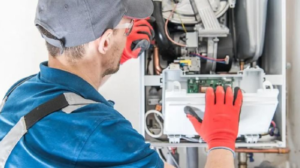
Regular inspections a professional technician help identify potential problems before they escalate. Checking components such as the furnace, air conditioner, thermostat, and electrical connections ensures everything is functioning correctly. Seasonal tune-ups improve reliability and extend the life of your system. These inspections are vital for keeping residential heating and cooling systems running smoothly and avoiding unexpected breakdowns.
Thermostat Management For Energy Efficiency
Smart or programmable thermostats can optimize temperature control throughout the home. Adjusting settings based on occupancy reduces unnecessary energy consumption. Simple habits, like lowering the thermostat at night or when away, can make a noticeable difference. Proper thermostat management supports efficient operation and prolongs the lifespan of residential heating and cooling systems.
Maintaining Outdoor Units And Condensers
The outdoor components of a heating and cooling system, including condensers and heat pumps, are exposed to weather and debris. Keeping these units clear of leaves, dirt, and snow ensures proper airflow. Regularly inspecting fans and coils helps prevent overheating and maintains system efficiency. Attention to outdoor units is a key factor in ensuring residential heating and cooling systems perform effectively.
Monitoring Refrigerant Levels And System Pressure
Low refrigerant levels or imbalanced system pressure can reduce cooling efficiency and strain the compressor. Professional checks ensure refrigerant is at the correct level and pressure is balanced. Proper monitoring prevents system overwork, maintains optimal performance, and contributes to long-term energy savings. Managing these technical aspects is essential for residential heating and cooling systems to function efficiently.
Conclusion
Efficient maintenance of residential heating and cooling systems requires attention to both small and technical details. Regular filter changes, duct cleaning, seasonal inspections, thermostat management, outdoor unit care, and refrigerant monitoring all contribute to system longevity and energy efficiency. By adopting these practices, homeowners can enjoy consistent comfort, lower energy bills, and fewer unexpected repairs.