
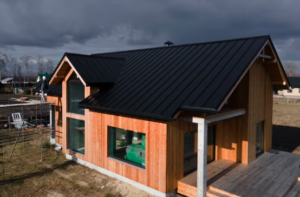
The construction industry is constantly evolving, with new technologies and methods emerging to address the growing demand for faster, more sustainable, and cost-effective building solutions. Among these innovations, prefabricated construction has gained significant momentum.
By moving the building process from an exposed construction site to a controlled factory environment, builders can deliver high-quality structures with unprecedented precision.
If you are considering your next residential project, exploring the advantages of prefab houses is a smart way to streamline your journey toward homeownership while enjoying a modern, durable, and highly efficient living space.
Accelerated Construction Timelines
One of the most notable advantages of this building method is the dramatic reduction in construction time. Because the various components of a structure are manufactured in a factory setting, work can proceed regardless of weather conditions.
While the foundation is being prepared at the build site, the modules are being assembled simultaneously in the factory.
This parallel workflow means that prefab houses can be completed in a fraction of the time required for traditional site-built homes, allowing homeowners to move into their new residences much sooner than they might otherwise expect.
Precision Engineering and Quality Control
When homes are built in a controlled indoor environment, the margin for error is significantly minimized. Factory production utilizes advanced machinery and strict quality management protocols, ensuring that every joint, wall, and structural element meets precise specifications.
Unlike traditional construction, which can be susceptible to material warping or damage from exposure to the elements, factory-built modules benefit from consistent conditions.
This meticulous approach to manufacturing ensures that prefab houses are built with a level of structural integrity and dimensional accuracy that is difficult to replicate with manual, on-site methods.
Enhanced Environmental Sustainability
Sustainability is a growing priority for modern homebuyers, and factory-built construction is naturally aligned with this goal. The manufacturing process allows for precise material measurement, which drastically reduces on-site waste.
Furthermore, many factories incorporate recycling programs to manage scraps, ensuring that almost every material is used efficiently.
Because these structures are often designed with superior insulation and energy-efficient systems, they offer excellent thermal performance, leading to lower energy consumption and reduced utility costs for homeowners throughout the year.
Cost Predictability and Efficiency
The uncertainty of traditional construction budgets, often driven by unexpected delays or material price fluctuations, can be a major source of stress. In contrast, the factory environment offers a higher degree of cost predictability.
Because the project scope is finalized before manufacturing begins, the risk of mid-construction surprises is greatly diminished.
Many homeowners find that the streamlined process of ordering and assembling prefab houses helps them maintain a strict budget, as the labor costs are more contained and the logistics of material delivery are far more predictable.
Design Versatility and Customization
A common misconception is that factory-built structures are uniform or lack character. In reality, modern design capabilities have transformed the industry.
Architects and manufacturers now offer extensive customization options, from layout configurations and architectural styles to interior finishes and high-end materials.
Whether you prefer a minimalist aesthetic or a traditional home design, you can collaborate with experts to tailor the final product to your specific tastes. This versatility allows you to enjoy the benefits of modern technology without sacrificing your vision for a beautiful home.