
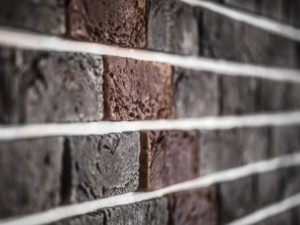
When it comes to preserving both the structural integrity and visual charm of your home, careful repointing of exterior brickwork is worth undertaking.
Is it your first time doing exterior brickwork repointing? And not sure where to start and what steps to take? Fret no more.
Below are detailed, step-by-step recommendations to ensure your brick repointing project is completed flawlessly.
1. Assess the Condition of Your Brickwork
Start by conducting a thorough examination of your brickwork. Pay close attention to the existing mortar joints and individual bricks.
Look for signs of deterioration such as crumbling, discoloration, or moisture infiltration. Such indicators can highlight areas in need of immediate repair.
2. Choose the Right Mortar Mix
Consider choosing the appropriate mortar mix, which is essential for both functional performance and aesthetic appeal. Take the time to match the new mortar to the original in terms of composition, color, and texture.
Doing so will help maintain the original character and charm of your brickwork, especially in older homes where historical accuracy matters most.
3. Prepare Your Tools and Materials
Gather all necessary tools and materials to get your repointing brickwork projects done perfectly. Essential items include chisels, trowels, grinders, and your chosen mortar mix.
Once everything is readily accessible, your workflow will be streamlined and interruptions minimized, making the process more efficient and enjoyable.
4. Explore Scaffolding Companies to Find One
For high-rise or large-scale projects, choose one of the professional scaffolding companies to get scaffolding that provides safe, stable access to all areas of the wall.
Proper scaffolding ensures that masons can work comfortably and reach tricky areas like chimneys or gable ends. This will improve the overall precision and safety of the repointing project.
5. Remove Old Mortar with Care
As you begin the repointing process, approach the removal of old mortar with caution. This way, you will prevent damaging the surrounding bricks.
Use a mortar rake or a chisel to carefully remove the old material, aiming to remove at least half an inch. This in-depth approach will ensure that the new mortar forms a robust bond with the bricks, providing enhanced stability.
6. Consider the Weather
Be mindful of the weather conditions, as they can significantly affect the curing process of your new mortar. Ideally, choose to embark on your repointing project during a dry spell with mild temperatures.
As a result, you will facilitate optimal curing conditions and avoid potential problems such as cracking or structural weakness.
7. Apply the New Mortar with Precision
Using a masonry trowel, apply the new mortar into the joints, packing it firmly to eliminate any gaps. After application, tool the mortar joints for a smooth, professional finish.
It’s important that the mortar is slightly recessed to maintain visual continuity with the existing brickwork.
8. Clean Up Excess Mortar Promptly
As you work, maintain a clean and tidy area by promptly removing any excess mortar that may smear onto the bricks. A damp sponge can be a useful tool for achieving a polished appearance, but take care not to erode the newly applied mortar during this cleanup.
9. Allow for Proper Curing
After completing the repointing process, give the new mortar ample time to cure correctly. Shield the area from rain and extreme temperatures for several days. This will ensure the mortar sets properly, creating a solid, lasting bond.