
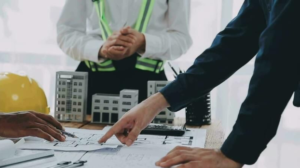
Sustainable construction has become more than a trend; it’s a necessity. As environmental concerns grow, the way we design and construct homes is changing. A home builder plays a pivotal role in shaping these eco-friendly projects. They are not just responsible for raising walls and roofs—they are the bridge between innovative ideas and practical, sustainable solutions. Every decision, from material choice to energy efficiency, falls under their guidance.
Planning Sustainable Homes With A Home Builder
A home builder is more than a constructor—they are planners. In sustainable construction, early-stage planning defines the project’s environmental impact. They assess site conditions, choose designs that minimize energy use, and integrate green technologies. Their expertise ensures that the house functions efficiently while staying environmentally conscious. By the time construction starts, the home builder has already set the foundation for a home that reduces waste and conserves resources. Their vision at this stage is essential for a successful sustainable project.
Selecting Eco-Friendly Materials
Materials define a home’s sustainability. A home builder carefully selects wood, insulation, and finishes that are renewable, non-toxic, and locally sourced when possible. Recycled materials and low-carbon alternatives are increasingly popular. This selection process isn’t just about cost—it’s about reducing the ecological footprint. A skilled home builder balances durability, aesthetics, and environmental responsibility, proving that sustainable choices can also be practical and beautiful.
Integrating Energy-Efficient Systems
Modern sustainable homes rely on energy efficiency. A home builder coordinates the installation of solar panels, efficient HVAC systems, and smart lighting. They also ensure insulation and window placement optimize energy use. Every system is designed to minimize electricity consumption and reduce long-term costs for the homeowner. This integration demonstrates the home builder’s role in not just constructing a house, but crafting a living space that supports sustainable living.
Water Conservation And Landscape Design
Water is a critical resource, and sustainable construction addresses it thoughtfully. A home builder incorporates rainwater harvesting systems, efficient plumbing, and xeriscaping in landscaping. These measures reduce water waste and promote a self-sustaining environment around the home. Thoughtful landscape planning ensures that the property not only looks beautiful but also supports local ecology. The home builder ensures that water management is part of the construction process, blending functionality with conservation.
Collaboration With Green Experts
Sustainable construction is rarely a solo effort. Home builders work closely with architects, engineers, and environmental consultants. They coordinate designs that meet green certifications and adhere to local regulations. Collaboration allows for innovation and ensures that the home’s sustainability goals are realistic and achievable. A home builder acts as the project’s central figure, connecting all experts to create a cohesive, environmentally responsible outcome.
Long-Term Maintenance And Sustainability
The role of a home builder doesn’t end when the last brick is laid. They provide guidance on maintaining the home sustainably over time. From energy-efficient appliances to proper material care, they help homeowners preserve the eco-friendly features. This long-term perspective ensures the home continues to minimize its environmental footprint. The home builder’s influence extends beyond construction, shaping sustainable living for years to come.
Conclusion
A home builder is central to sustainable construction projects. They guide planning, material selection, energy efficiency, water management, and long-term maintenance. Their decisions determine how eco-friendly and practical a home becomes. In an era where sustainability is essential, home builders are not just constructing houses—they are creating responsible, future-ready living spaces. Their expertise turns green concepts into tangible homes that benefit both people and the planet.