
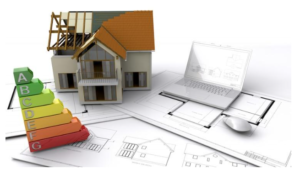
Energy efficiency has become an important factor for many homeowners, builders, and for the safety of the environment. Domestic energy assessors help homeowners understand their daily energy consumption and the use of green practices. This is a smart step toward the reduction of costs and carbon footprint. By joining a domestic energy assessor course, learners gain energy efficiency skills, certifications, and practical knowledge to meet the growing demands of energy use. Here are some reasons why the domestic energy assessor course is an investment in a green and safe future.
1. Learn Skills with the Domestic Energy Assessor Course
A domestic energy assessor course provides training for those who want to improve the energy efficiency of residential properties. By enrolling in the course, participants learn how to conduct detailed energy checks and produce Energy Performance Certificates. The course covers building physics, insulation types, heating systems, ventilation, and compliance with current energy regulations. It also provides hands-on training so that participants gain real-world experience with different property types and energy-saving methods. Whether you want to start a career in energy assessment, improve your qualifications, or help homeowners apply green solutions, the domestic energy assessor course supports sustainable living and responsible environmental practice.
2. Enter an In-Demand Profession
Energy use in residential and commercial buildings increases each day, which leads to high resource use and financial cost. Governments, property owners, and authorities now focus on energy-saving measures and sustainability standards. When you complete a domestic energy assessor course, you enter a profession with long-term stability and strong career prospects. After qualification, you may work independently or with construction firms, real estate companies, or energy organizations. This course also supports modern eco-friendly construction and energy audits, which provide long-term professional and financial benefits.
3. Gain Industry-Recognized Qualifications
A domestic energy assessor course prepares learners for formal accreditation in the housing and construction sectors. After qualification, you gain technical knowledge, professional skills, and practical methods to perform energy assessments. Your Energy Performance Certificates demonstrate reliability to clients and employers and open opportunities in green energy projects and professional growth. You also receive training in energy calculation tools, property evaluation methods, and government energy regulations. These skills help you remain competitive in the industry.
4. Build Practical Assessment Skills
A domestic energy assessor course provides both theoretical knowledge and practical experience. This training supports professional work and real workplace tasks. When you visit a property to measure energy use, you can analyze data and guide owners to make informed decisions. You also gain software skills to create reports on heating systems, lighting use, and renewable energy sources. In addition, you can advise homeowners and business owners on efficient energy use and improved performance.
5. Promote Environmental Sustainability
Another reason to join a domestic energy assessor course is the opportunity to play your part in conserving energy resources and protecting the environment. This course teaches how to reduce the release of greenhouse gases and encourages the use of eco-friendly options such as solar energy, energy-efficient appliances, and improved HVAC and lighting solutions.