
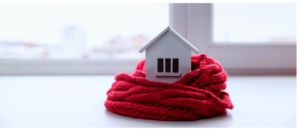
Winter can be harsh, and preparing a home before the cold weather arrives is essential. Proper preparation helps prevent damage, saves energy, and keeps everyone safe and comfortable. By taking steps to protect the home from freezing temperatures, snow, and ice, homeowners can reduce repair costs and enjoy a cozy living space.
Planning ahead makes winter less stressful and ensures the home stays in good condition throughout the season.
Insulate Your Windows
Windows are one of the main ways cold air enters a home. Adding insulation to windows can make a big difference in keeping the indoor temperature stable. Homeowners can use weather stripping, window film, or thermal curtains to block drafts and prevent heat from escaping.
Even small gaps around window frames can let in cold air, so checking and sealing these gaps is important. Properly insulated windows not only make the home warmer but also reduce energy bills requiring less heating.
Check and Clean the Heating System
The heating system works harder during winter, so it needs to be in top condition. Inspecting furnaces, boilers, or heat pumps before the cold season ensures they operate efficiently. Changing filters, cleaning ducts, and scheduling professional maintenance prevents breakdowns and improves air quality.
A well-maintained heating system keeps every room warm and avoids unexpected issues during extreme cold. Preparing the system in advance also helps save money on emergency repairs and energy costs.
Install Roof Snow Guard
Heavy snow on the roof can be dangerous and cause damage to the home. Installing a roof snow guard prevents large amounts of snow from sliding off at once. This protects gutters, landscaping, and people walking near the house. Roof snow guards help distribute snow evenly and reduce stress on the roof structure.
By adding this protection, homeowners reduce the risk of leaks, broken shingles, and costly repairs while keeping the home and surroundings safer.
Protect Plumbing and Pipes
Freezing temperatures can cause pipes to burst, leading to water damage and expensive repairs. Insulating pipes in unheated areas, such as basements, attics, and garages, prevents them from freezing. Draining outdoor hoses and shutting off exterior water valves also protects plumbing.
In extreme cold, letting faucets drip slightly keeps water moving and reduces the chance of ice forming. Properly caring for pipes ensures the home stays dry and avoids the inconvenience of broken plumbing in winter.
Maintain Gutters and Roof
Leaves and debris can block gutters, causing water to back up and freeze during winter. Cleaning gutters and downspouts prevents ice dams and water damage to the roof and walls. Checking the roof for missing or damaged shingles before snow falls helps avoid leaks and structural problems.
Clearing areas around chimneys and vents ensures proper ventilation and reduces fire hazards. Regular maintenance keeps the roof and gutters strong, protecting the home from ice, snow, and heavy rain.
Conclusion
Preparing a home for winter is an important task that saves time, money, and stress. Insulating windows, checking heating systems, installing roof snow guards, protecting plumbing, and maintaining gutters all help a home withstand cold weather.
These steps improve comfort, safety, and energy efficiency. By taking action before winter arrives, homeowners ensure their home stays warm, secure, and damage-free throughout the season.